A 3-pin plug or a home charger?
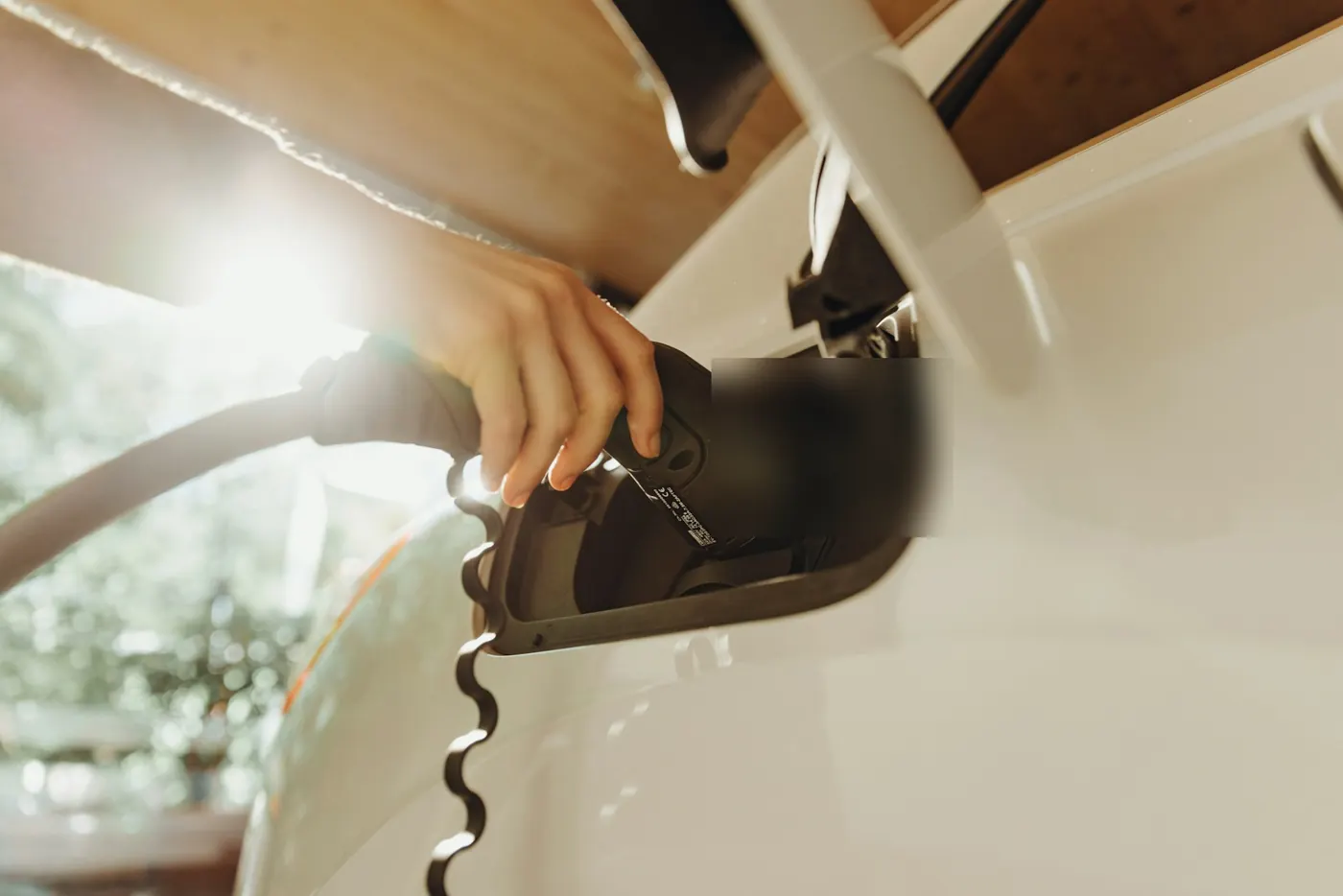
A 3-pin plug charges at about 2.3 kW; a 7 kW home charger at about 7.4 kW, three times faster. For short daily driving a plug overnight keeps up. For longer days, or to fit charging inside a 3-hour EV tariff window, a home charger does what a plug can't. The SEAI grant only covers a smart home charger, not a plug.
The hours compared, car by car, and when a plug is enough.
Free, no obligation. One registered electrician prices it, not five.
- 2.3 kWfrom a 3-pin plug
- 7.4 kWfrom a 7 kW home charger
- 12 vs 38 kman hour, Tesla Model Y
- €300grant for a smart charger
km added, plug against charger
| Car | An hour, plug | An hour, 7 kW | 3 hours, plug | 3 hours, 7 kW |
|---|---|---|---|---|
| Tesla Model Y | 12 km | 38 km | 37 km | 115 km |
| Tesla Model 3 | 14 km | 46 km | 43 km | 137 km |
| Volkswagen ID.4 | 11 km | 34 km | 32 km | 101 km |
| Toyota bZ4X | 11 km | 35 km | 33 km | 105 km |
| Skoda Elroq | 11 km | 37 km | 34 km | 110 km |
| Kia EV3 | 11 km | 36 km | 34 km | 109 km |
| Hyundai Kona Electric | 11 km | 37 km | 34 km | 110 km |
| Renault 5 | 12 km | 39 km | 37 km | 116 km |
| Nissan Leaf | 12 km | 33 km | 35 km | 100 km |
How long will your car take at home?
Four quick taps. You see the hours a night on a 3-pin plug and on a 7 kW charger, and whether the cheap hours are enough. Your number is only asked for at the end, if you want a price.
A Tesla Model Y doing up to 60 km a day: 1h 35m a night on a 7 kW charger, 4h 55m on a 3-pin plug.
How this is worked out
Each car's figures are its usable battery, its on-board charger and its real-world energy use, with its time from empty to full on a 3-pin plug (2.3 kW), on a 7 kW home charger (7.4 kW on a single-phase supply) and at 11 kW. The hours a night are your daily km divided by the km each hour of charging adds. Cold weather and short trips use more. It's a guide, not a promise.
When a plug is enough
- Short daily driving, plugged in every night.
- A night rate that runs most of the night.
- A second car that does little.
Have an electrician check the socket and circuit if you plan to charge from it every night.
When a charger earns its place
- Over 60 km a day.
- An EV tariff with a 2 or 3-hour cheap window.
- Scheduling from the app and the €300 grant.
Whether it pays back: is a home charger worth it.
EV Home Chargers guides & price breakdowns
Straight answers to what people ask most: itemised costs, specifications, planning or grants, and what to check before you book.
More guides & resources: Charging a Kia EV3 at home · Charging a Hyundai Kona Electric at home · Charging a Renault 5 at home · Charging a Nissan Leaf at home · All guides & calculator hub · Technical & trade glossary · Frequently asked questions · What charging costs · EV tariffs · Installers by county · Claiming the grant · No driveway?
Questions people ask
Is it OK to charge an electric car from a 3-pin plug?
Yes, at about 2.3 kW, and it suits short daily driving. Have an electrician check the socket and circuit if you'll use it every night.
How much faster is a home charger than a 3-pin plug?
About three times: 7.4 kW against 2.3 kW.
Does the SEAI grant cover a 3-pin plug?
No. The €300 grant is for a smart charger on SEAI's register, fitted by a registered electrician.
EV Home Chargers across all 26 counties
Requests from all 26 counties go to one vetted local specialist who covers your county — from Dublin, Cork, Galway and Limerick to Kildare, Meath, Wicklow, Waterford and Donegal. Pick your county below for local prices, specifications and advice.
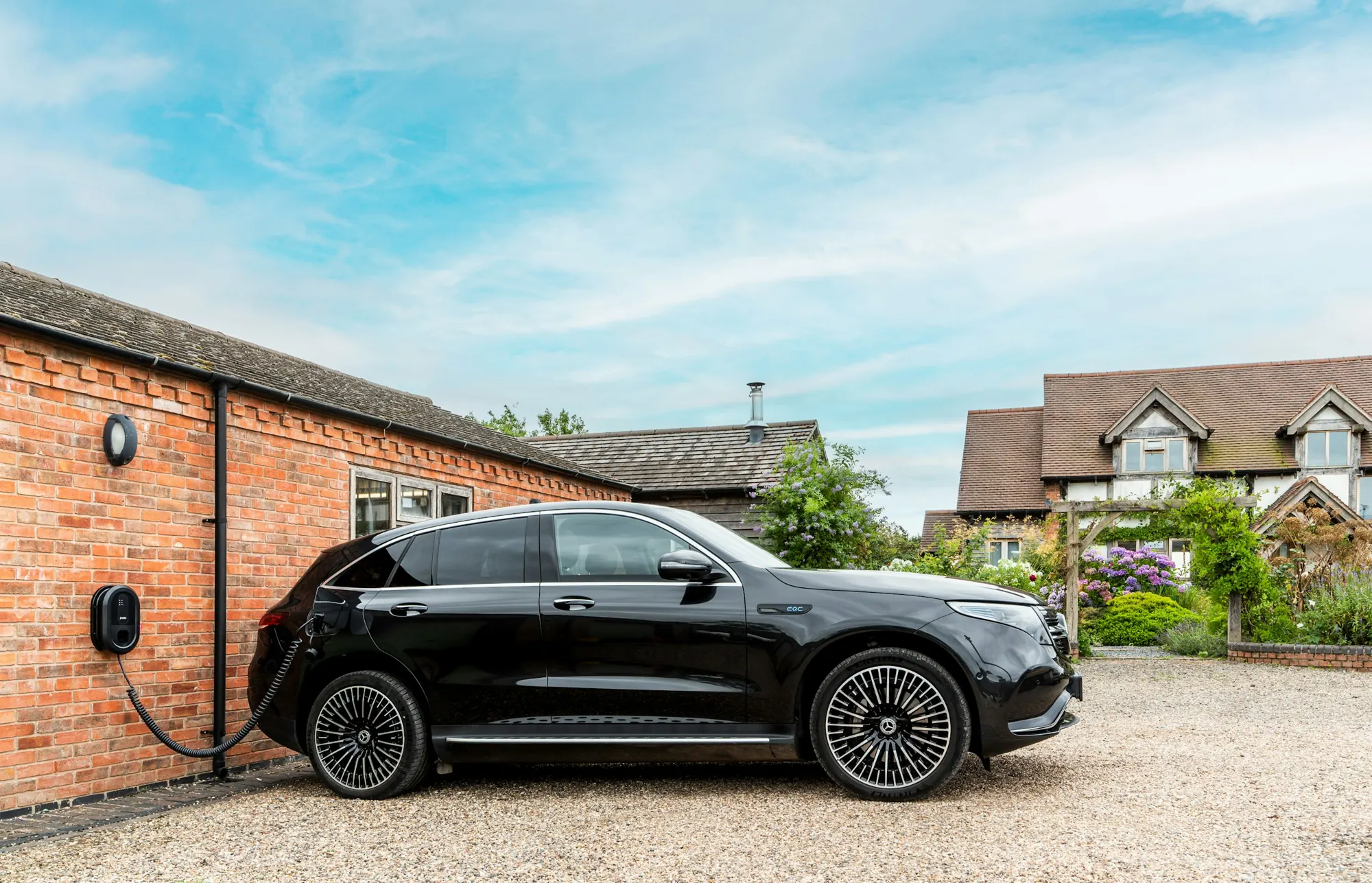
How long will yours take?
Four taps to the hours a night on a plug and on a charger. Then, if you want, one registered electrician who fits home chargers in your county rings with a price.